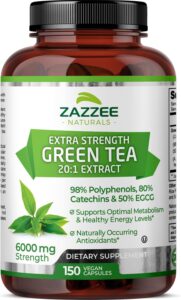
Epigallocatechin gallate (EGCG) stands as one of green tea's most celebrated compounds, a potent catechin revered for its powerful antioxidant properties. While a warm cup of green tea is a delightful way to consume this powerhouse ingredient, the modern wellness landscape increasingly points towards EGCG supplements for a concentrated, standardized dose. These supplements offer a targeted approach to harnessing EGCG's potential, which can be challenging to achieve through diet alone.
From supporting a healthy metabolism and defending against oxidative stress to potentially safeguarding cardiovascular and brain health, EGCG has garnered significant scientific attention. However, with a multitude of brands and formulations available, selecting the ideal EGCG supplement can feel daunting. This comprehensive guide aims to demystify the process, illuminating EGCG's core benefits, outlining crucial factors for choosing a high-quality supplement, and addressing important considerations regarding dosage and safety.
What is EGCG and Why is it So Beneficial?
At its core, Epigallocatechin gallate (EGCG) is a unique plant-based compound belonging to a group called catechins, which are a specific type of polyphenol. These compounds are naturally abundant in several plant foods, but EGCG is most famously recognized as the major active component in green tea. Beyond green tea, you can find smaller amounts in black tea, oolong tea, cocoa products, and certain pome fruits like apples and pears, as well as prune juice.
The primary mechanism through which EGCG exerts its health-promoting effects is its formidable antioxidant activity. In our bodies, metabolic processes and environmental factors can generate highly reactive particles known as free radicals. When these free radicals accumulate excessively, they can cause cellular damage, a process known as oxidative stress. EGCG and other catechins act as powerful scavengers, neutralizing these free radicals and protecting cells from potential harm. This cellular defense is fundamental to a wide array of health benefits:
- Metabolic Support & Weight Management: EGCG is frequently explored for its role in metabolism. While more extensive human research is needed, some studies suggest that green tea extract, rich in EGCG, may help support weight management when combined with dietary adjustments and regular exercise, particularly in individuals with obesity. It's thought to influence fat oxidation and thermogenesis.
- Cardiovascular Health: Research indicates that EGCG may contribute to heart health by helping to manage factors like blood pressure and cholesterol levels. Its anti-inflammatory and antioxidant properties are key to supporting the delicate lining of blood vessels.
- Brain Health & Cognitive Function: The protective effects of EGCG may extend to the brain. Some studies suggest a potential role in improving brain function, protecting against neurodegenerative diseases, and even aiding in nerve cell regeneration. However, current data is somewhat inconsistent, and more research is necessary to fully understand its impact on human brain health.
- Anti-inflammatory Effects: Beyond its antioxidant capabilities, EGCG also exhibits significant anti-inflammatory properties, which can be beneficial in mitigating various inflammatory conditions throughout the body.
- Potential Disease Prevention: Preliminary test-tube, animal, and some human studies are investigating EGCG's potential role in reducing the risk of conditions such as high blood pressure, diabetes, and certain types of cancer. While these results are encouraging, it's crucial to remember that more robust clinical trials are needed to confirm these effects and understand how EGCG can be used as a preventive or therapeutic tool.
Navigating the World of EGCG Supplements: What to Look For
While enjoying green tea is undeniably healthy, supplements offer distinct advantages, primarily providing a concentrated, standardized dose of EGCG that can be difficult to consistently achieve through daily tea consumption alone. When choosing an EGCG supplement, a discerning eye is essential. Here’s what to prioritize:
- Standardization and Purity: Look for supplements that clearly state the percentage or milligram amount of EGCG per serving. High-quality EGCG supplements are typically standardized to contain at least 45% to 90% EGCG. Purity is paramount; seek products that are third-party tested for contaminants like heavy metals, pesticides, and other impurities. Certifications like GMP (Good Manufacturing Practices) indicate a commitment to quality control.
- Dosage Per Serving: Compare the EGCG content per capsule or serving. Many studies use dosages ranging from 200 mg to 800 mg per day. Understanding this will help you align your intake with research and your personal goals.
- Formulation and Absorption: EGCG supplements come in various forms, including capsules, powders, and liquids. Capsules are often preferred for convenience and precise dosing. Some formulations might include bioavailability enhancers, though the evidence for their necessity with EGCG is still evolving.
- Caffeine Content: Green tea naturally contains caffeine. Many EGCG supplements are "decaffeinated" or "standardized for low caffeine," which is important for individuals sensitive to stimulants. Always check the label, especially if you consume other caffeinated beverages.
- Additional Ingredients & Fillers: A good EGCG supplement should contain minimal unnecessary fillers, binders, or artificial ingredients. Some brands might combine EGCG with other beneficial compounds like L-theanine (also found in green tea, known for its calming effects) or other antioxidants, which can offer synergistic benefits.
- Transparency and Reputation: Choose brands that are transparent about their sourcing, manufacturing processes, and testing results. A reputable company will often make Certificates of Analysis (CoAs) available upon request or publish them online. Read customer reviews and look for established brands in the health supplement industry.
EGCG Dosage and Safety: What You Need to Know
Understanding appropriate dosage and potential safety concerns is critical before incorporating an EGCG supplement into your routine. While EGCG offers numerous health benefits, it’s not without its risks, especially at high doses or in certain individuals.
Recommended Dosages and Considerations
There is no universally established recommended daily allowance for EGCG, as various studies utilize different dosages depending on the health outcome being investigated. Typical dosages in research range from 200 mg to 800 mg per day. It is always wise to:
- Start Low and Go Slow: Begin with the lowest effective dose recommended by the manufacturer and observe how your body responds. You can gradually increase it if needed and well-tolerated.
- Follow Manufacturer Guidelines: Adhere to the dosage instructions on your chosen supplement label unless advised otherwise by a healthcare professional.
- Consider Timing: Some experts suggest taking EGCG supplements with food, particularly for higher doses, to minimize potential gastrointestinal upset and reduce the risk of liver enzyme elevation that has been observed in some cases, especially when taken on an empty stomach.
Potential Side Effects and Important Warnings
While EGCG from green tea is generally safe, concentrated supplement forms can lead to side effects in some individuals. These may include:
- Liver and Kidney Issues: High doses of EGCG, particularly when taken on an empty stomach, have been linked to liver and kidney toxicity in rare cases. It's crucial for individuals with pre-existing liver or kidney conditions to exercise extreme caution and consult a doctor.
- Digestive Upset: Nausea, stomach discomfort, and diarrhea can occur, especially with higher doses.
- Other Symptoms: Dizziness, low blood sugar (hypoglycemia), and anemia have also been reported.
Crucial Contraindications and Interactions:
It is paramount to be aware of circumstances where EGCG supplementation is not recommended or requires medical supervision:
- Pregnancy and Breastfeeding: EGCG can interfere with the metabolism of folate, a B vitamin essential for fetal growth and development. Therefore, EGCG supplements should be avoided during pregnancy. It also remains unclear if EGCG supplements are safe for breastfeeding individuals, so it’s best to err on the side of caution and avoid use until more research is available.
- Medication Interactions: EGCG may interact with several prescription medications. Notably, it can interfere with the absorption and effectiveness of certain types of antipsychotics, blood thinners, and some cancer treatments. If you are on any medication, it is absolutely essential to consult your doctor or pharmacist before taking an EGCG supplement to avoid adverse interactions.
- Iron Deficiency: EGCG can inhibit the absorption of non-heme iron (iron from plant sources). Individuals with iron deficiency or anemia should be particularly cautious.
For a deeper dive into the pros and cons, consider reviewing EGCG Benefits & Risks: What to Know Before Taking a Supplement.
Maximizing Your EGCG Supplement Experience
To truly unlock the potential benefits of your EGCG supplement, consider these practical tips for integration into your daily life:
- Consistency is Key: Like many dietary supplements, the benefits of EGCG are often realized through consistent, long-term use rather than sporadic intake. Incorporate it into your daily routine.
- Pair with a Healthy Lifestyle: EGCG supplements are not a magic bullet. Their benefits are amplified when combined with a balanced diet rich in fruits, vegetables, and whole grains, regular physical activity, and adequate sleep. Think of EGCG as a powerful adjunct to an overall wellness strategy.
- Stay Hydrated: Drinking plenty of water is always important for overall health and can help with the absorption and processing of supplements in your body.
- Listen to Your Body: Pay attention to how you feel after starting an EGCG supplement. If you experience any adverse effects, reduce the dosage or discontinue use and consult a healthcare professional.
By thoughtfully integrating EGCG into your wellness regimen, you can strategically leverage its potential. Whether your goal is to boost your metabolism, enhance antioxidant defenses, or support brain health, EGCG Supplements: Boost Metabolism, Antioxidants & Brain Health can play a supportive role in your journey.
Conclusion
EGCG, the star catechin of green tea, offers a compelling profile of health benefits, primarily through its robust antioxidant and anti-inflammatory actions. From supporting cardiovascular and brain health to aiding in metabolic function and weight management, its potential is significant. However, choosing the best EGCG supplement requires careful consideration of standardization, purity, dosage, and potential interactions.
By prioritizing third-party tested products from reputable brands, understanding recommended dosages, and being acutely aware of safety warnings, particularly regarding pregnancy and medication interactions, you can make an informed decision. Always remember that supplements are intended to complement, not replace, a healthy lifestyle. Before adding any new supplement, especially EGCG, to your regimen, a consultation with a healthcare professional is always the wisest first step to ensure it aligns with your individual health needs and circumstances.